
Step 01
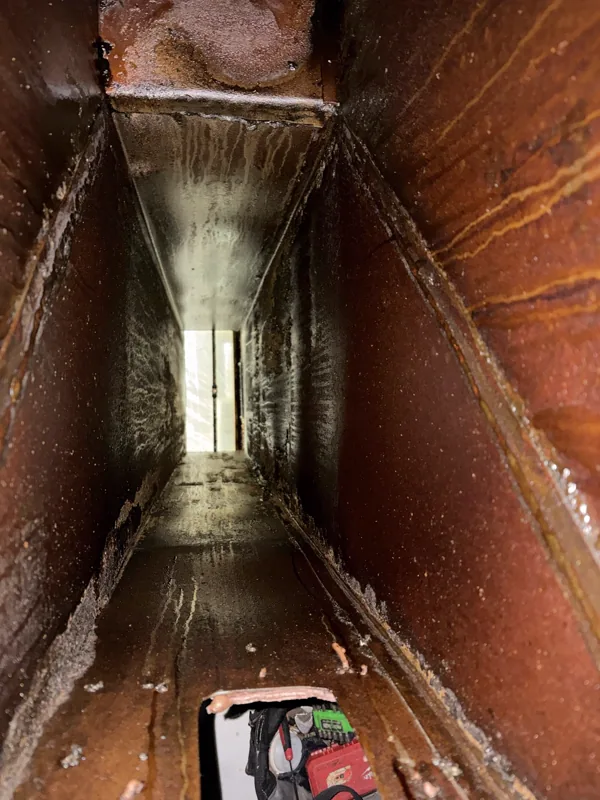
We look at the system
Hood count and length, appliance mix, duct configuration and access, fan count and roof access. Estimates are free, anywhere in our service area.
We clean commercial kitchen exhaust systems for institutional and hospitality operators across Colorado. Every visit produces an NFPA 96 compliance report written for your insurer and your fire marshal.
A properly cleaned system with no record of the cleaning looks identical to a neglected one when a fire marshal or an insurance carrier asks.
Photo documentation of all work areas, showing the actual system we serviced rather than a stock image of somebody else's.
Work performed, crew details, and observations, referencing NFPA 96 and delivered as a polished PDF built for a compliance file.
Applied to the hood system with the date of service and the next required service date, which is what an inspector looks for first.
System conditions, excessive grease buildup, or items of concern, photographed and described, with quotes for corrective work to follow.
Kitchen exhaust cleaning is the core of the business. The rest exists because a clean system still fails an inspection if it cannot be accessed.
Formally kitchen exhaust cleaning
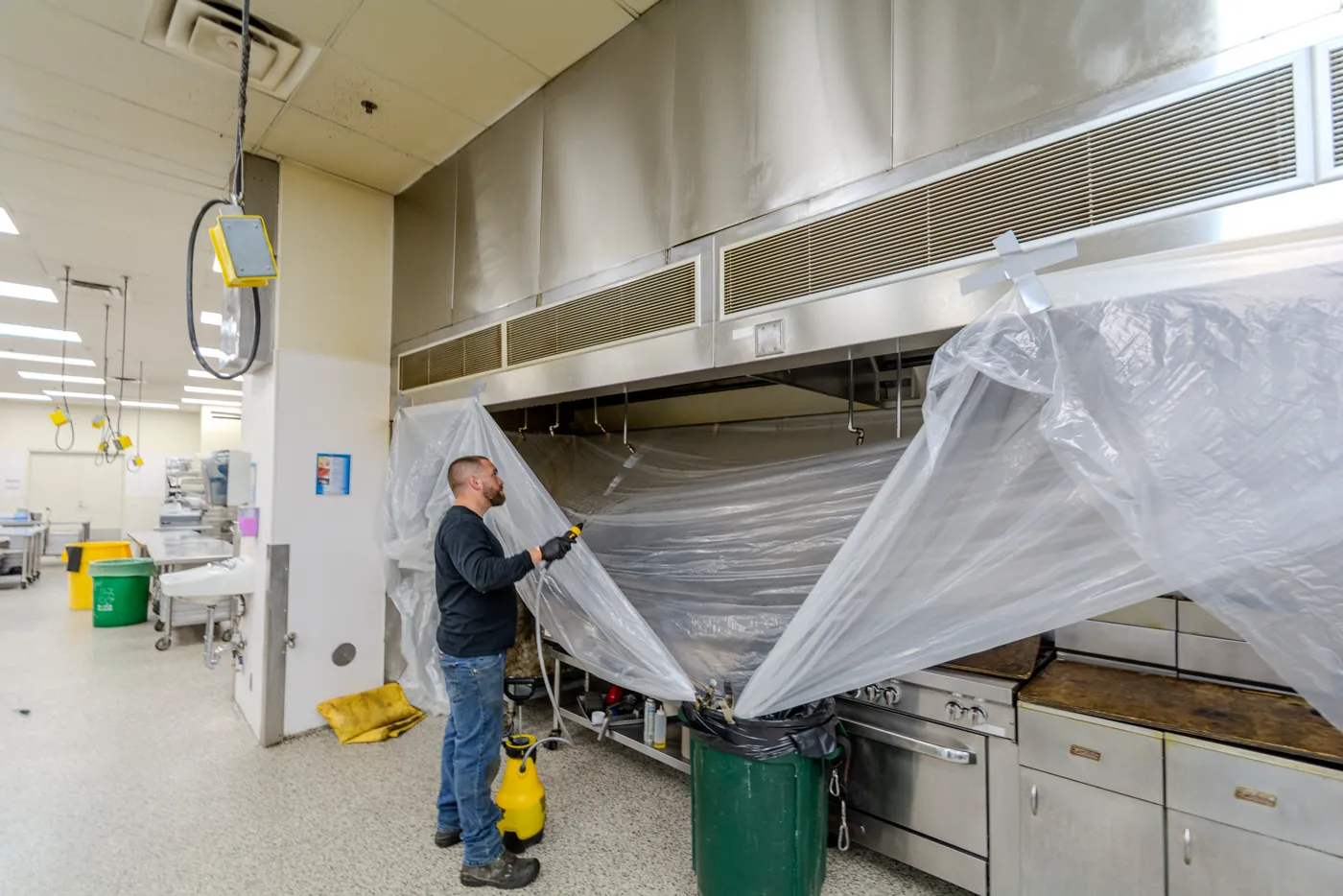
Hood cleaning, formally kitchen exhaust cleaning, is the core of what we do. We clean the full system, from the hood interior through the ductwork to the rooftop fan, and every visit produces a written report you can hand to your insurance carrier or fire marshal.
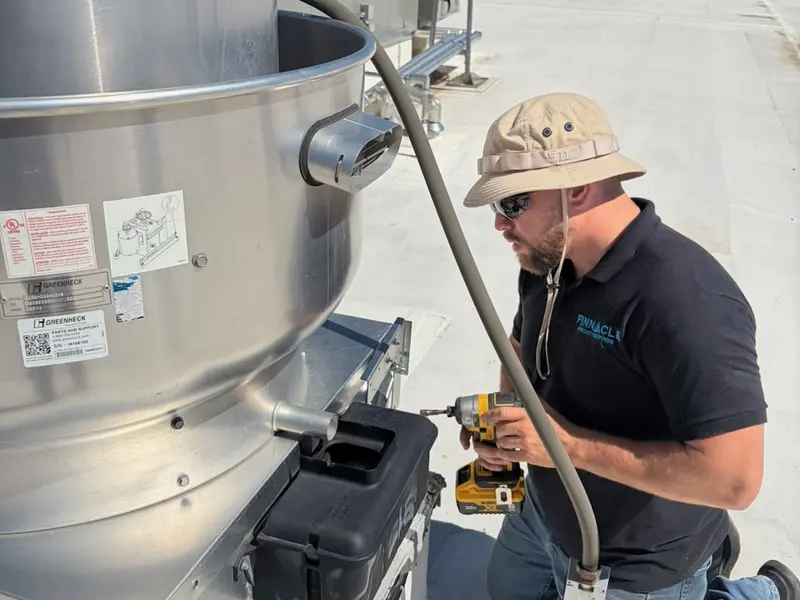
Access panels, hinge kits, fan repairs, and the related components we find during cleaning, documented with photographs and quoted as a single job price.
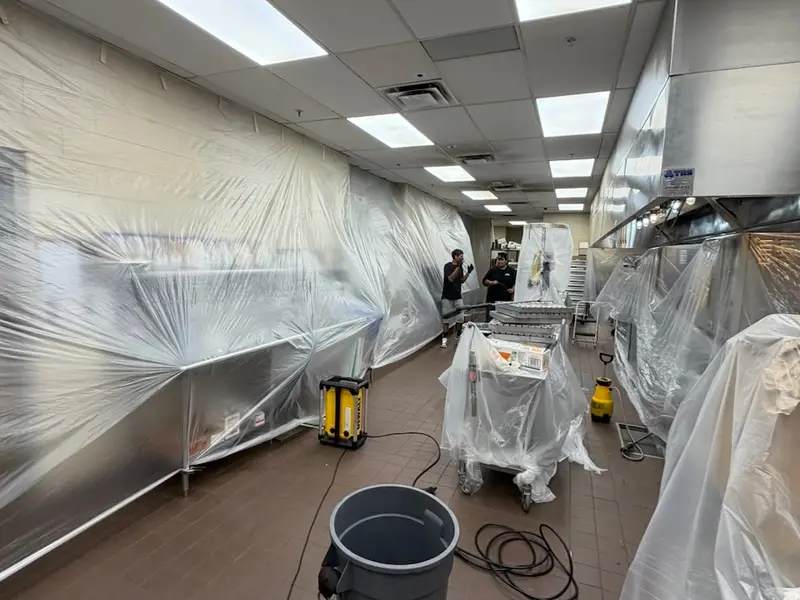
Full deep cleaning of the kitchen and cafeteria, including surfaces, equipment, and flooring, performed after close of operations.
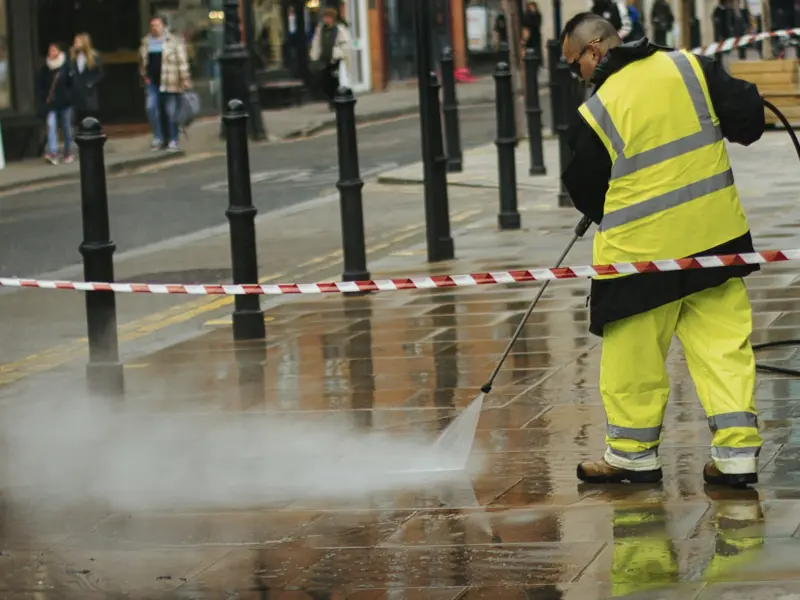
Building exteriors, entryways, dumpster pads, drive-through lanes, parking lots, and the rooftop grease containment around your exhaust fan.
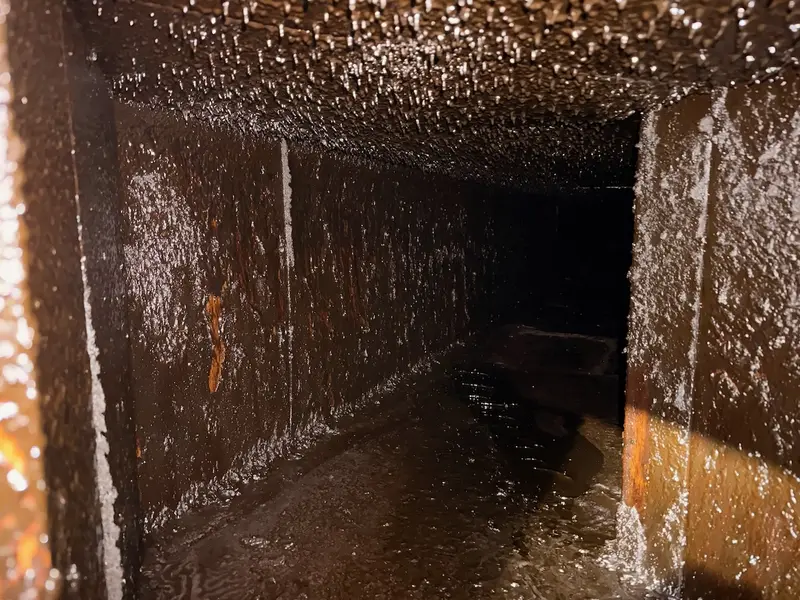
For a failed inspection, a shutdown order, or a system that cannot run. These situations receive priority scheduling.
NFPA 96 Table 12.4 sets inspection frequency by cooking volume and fuel type, not by preference or budget. Find your operation in the table, and you have the interval your fire marshal and your insurance carrier will expect you to hold.
NFPA 96 Table 12.4, inspection frequency for commercial cooking exhaust systems
Hood count and length, appliance mix, duct configuration and access, fan count and roof access. Estimates are free, anywhere in our service area.

Frequency is set against NFPA 96 Table 12.4 for your cooking volume. Scope and price are quoted in writing, and repairs are quoted as a single job price per item.

Visits are confirmed ahead of time. Scheduling communication is systematic, and the reminders come from us.
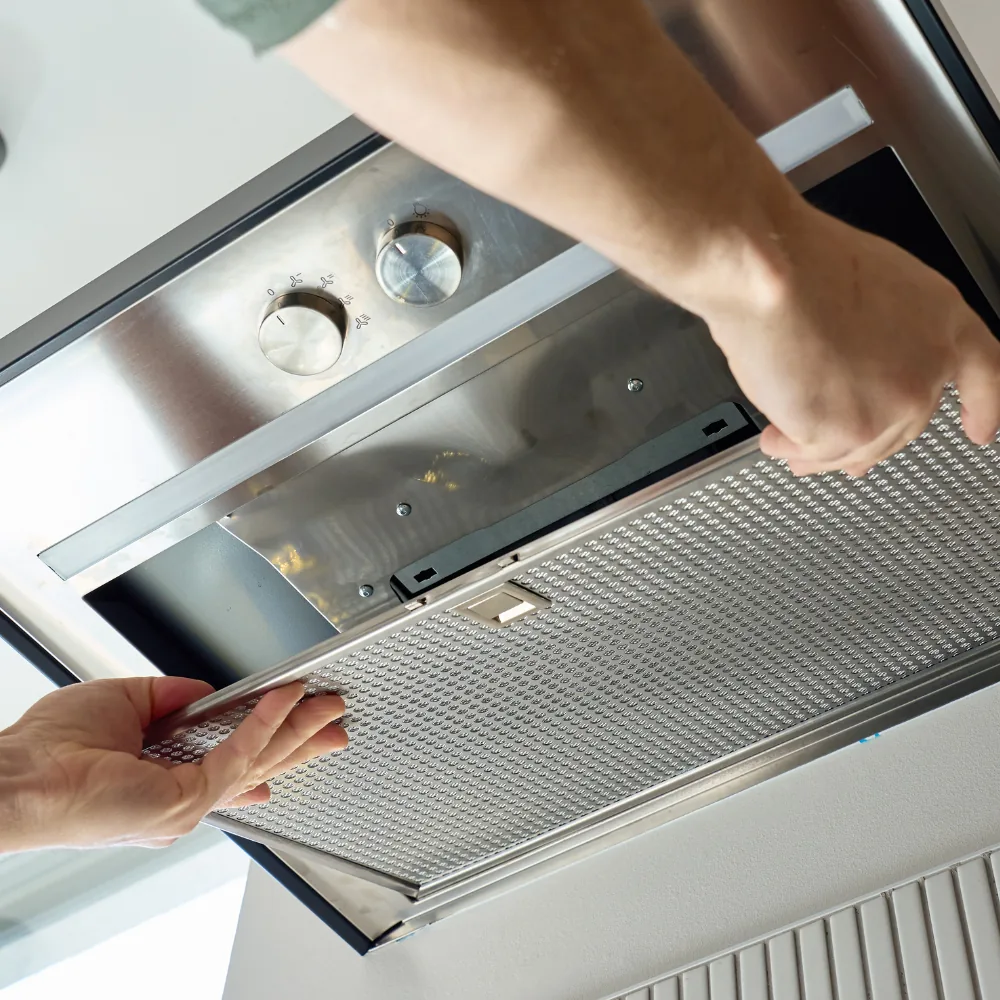
Work is routinely performed after close of operations. Equipment and cooking surfaces are protected, and the kitchen is left ready for morning service.
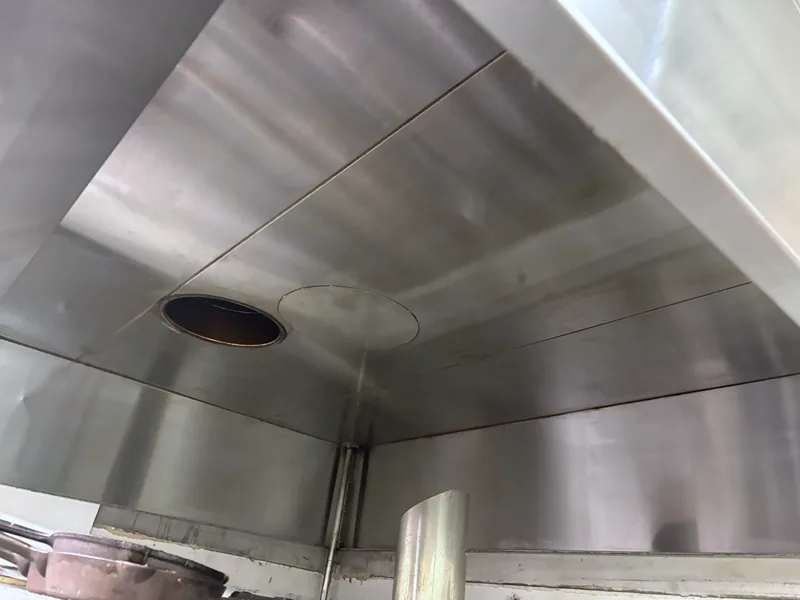
Photographs, the written service report, and the compliance sticker on the hood. Anything we found is described and photographed.
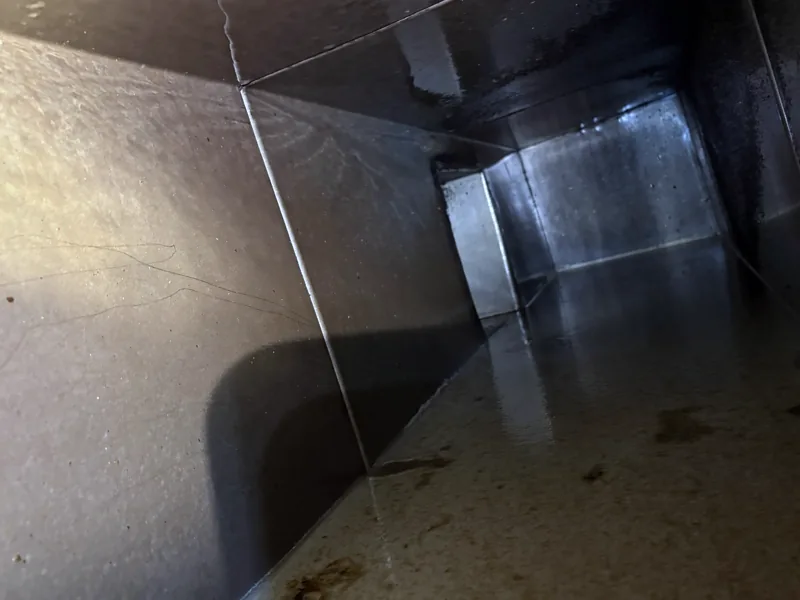
Service records are maintained per customer in organized digital files, retrievable on request for an audit, an insurance review, or the fire marshal.
Metro contractors treat mountain properties as reluctant travel. Our base makes them core business.
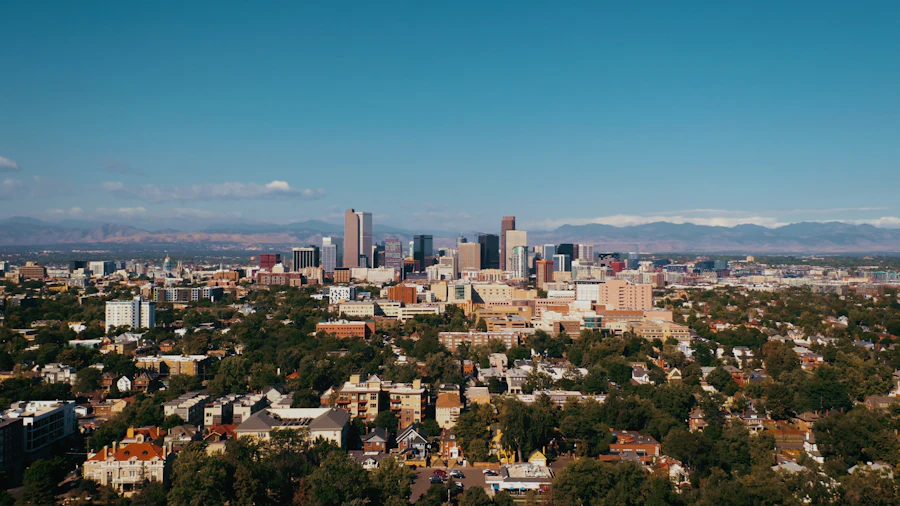
The markets closest to our Golden base, carrying the full mix of hospitality, institutional, and commercial kitchen work.

Markets anchored by district, university, healthcare, and government kitchens, with commercial work served on the same routes.
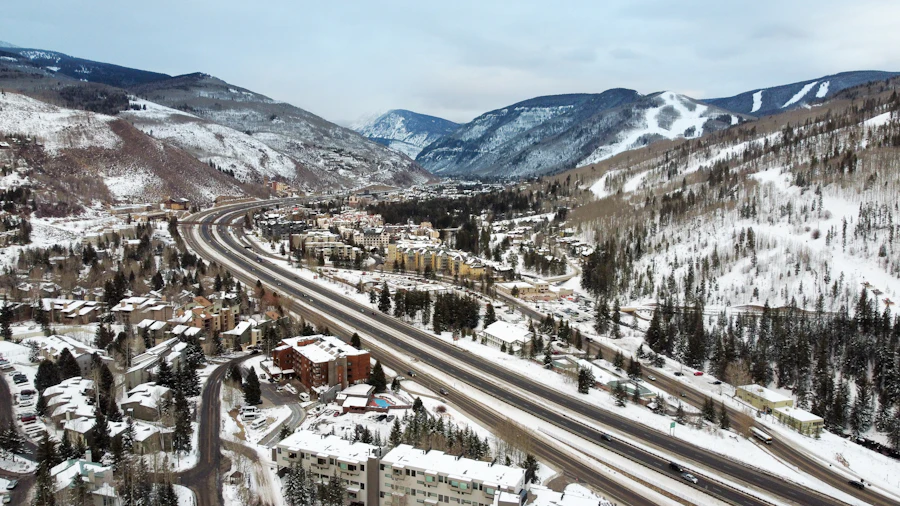
Resort, hotel, and casino kitchens along the I-70 corridor, where properties run several outlets and cook at high volume.
Also serving southern Wyoming, eastern Utah, and northern New Mexico.
All service areasFive of them here. The rest, including what NFPA 96 requires of your documentation and how multiple locations are handled under one account, are answered in full on the FAQ.
Often the in-house work is good, and it helps. What it cannot do is satisfy the standard, which requires the work to be done by a trained, qualified, and certified company acceptable to your fire authority. In-house staff also cannot reach the horizontal duct and the rooftop fan, which is where the fire risk sits and what an inspection is looking at.
It depends on the number and length of hoods, the appliance mix under them, the duct configuration and how accessible it is, fan count and roof access, the required cleaning frequency, and whether the work is after hours. Two kitchens that look identical to a stranger can price very differently for good reasons.
Have four things ready: the correction notice, the site address, the date you are working against, and a contact who can grant after-hours access. With those we can tell you on the same call what we can do and when.
That is fixable going forward, not backward. A full cleaning with complete documentation establishes a defensible starting point, and a maintenance schedule at your NFPA 96 frequency keeps the record continuous from there. Carriers generally accept that once they can see it.
Yes. Hood cleaning is the common search term, and the hood is the part of the system you can see. Kitchen exhaust system cleaning is the formal name, and it is what you will see on your proposal and service report.
Every system is priced after we understand it, which is why there are no numbers on this site. Number and length of hoods, appliance mix, duct configuration, roof access, and the condition we start from all change the job.
Estimates are free, anywhere in our service area. If you are working against an inspection or insurance date, say so in the form and we will tell you plainly what we can do.